Our Work · Stewardship
Regenerative care of wild and farmed agave landscapes — place-based projects that connect ecology, culture, and community livelihoods.
Restoration on the Ground
Agave landscapes take decades to restore, and lasting change depends on the leadership, participation, and wellbeing of the communities who live and work within them. From a Tribal heritage restoration site in the Sky Islands to community livestock cooperatives across the migratory bat corridor, by helping to fund these projects we are seeking to put Agave Nation’s core values — regeneration, cultural respect, and community-based collective action — into practice on the land.
Project 4 · Demonstration Site
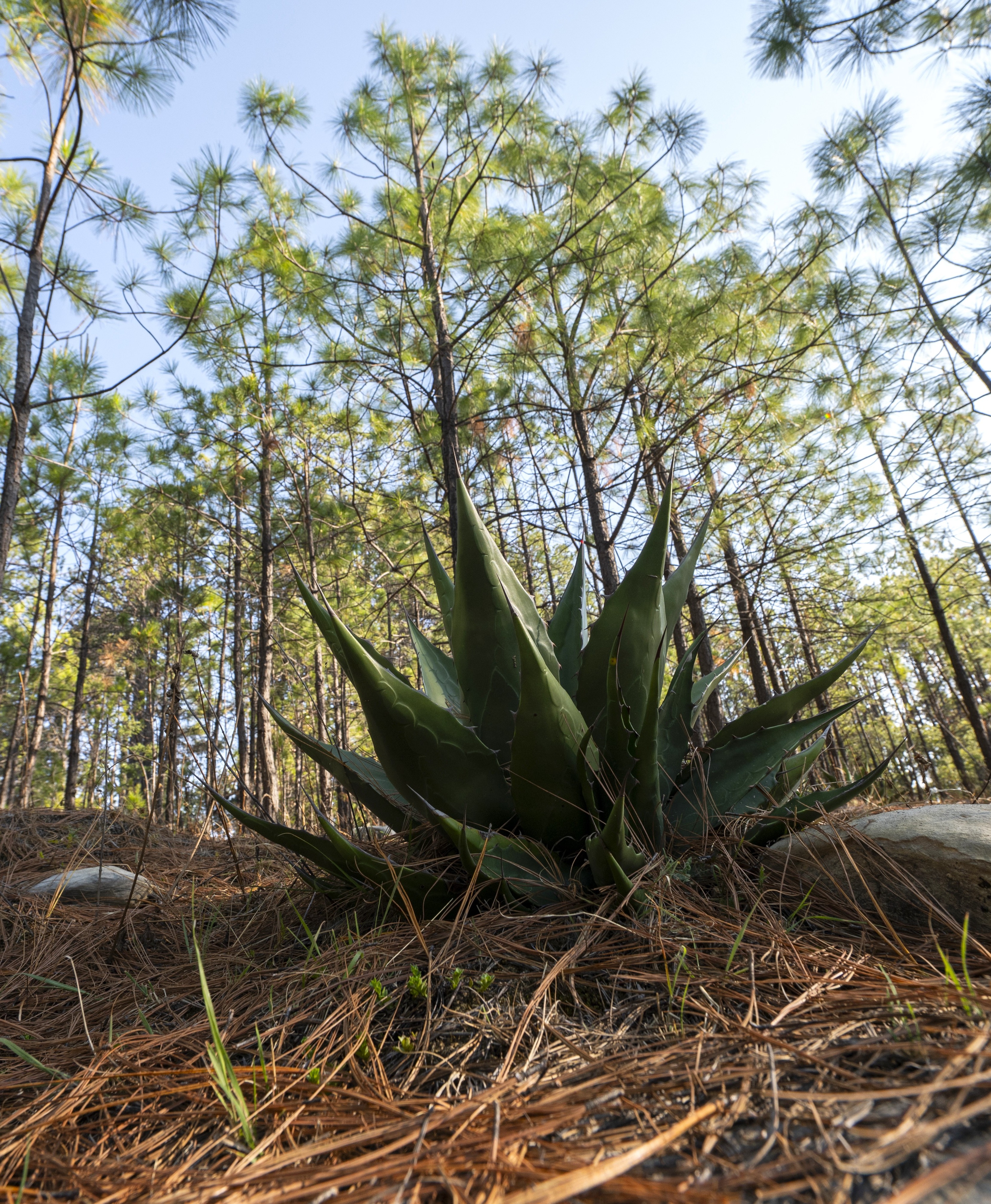
For thousands of years, Indigenous communities in the Southwest Sky Islands have cultivated, harvested, and used agave for food, fiber, tools, ceremony, and connection to place. This project, which was developed with Tribal partners, expands native agave restoration on the Coronado National Forest, supports cultural harvest opportunities, and connects the public to agave history through the Agave Heritage Trail – already backed by $150K from the U.S. Forest Service NATIVE Act.
$25K
Agave Heritage Trail public interpretation.
$100K
3,500+ agaves grown & planted on the landscape.
$225K
Full project expansion package.
Project 5 · Flagship Demonstration Site
Pitchfork Ranch brings together the core elements of Agave Nation in one unique place: nectar-feeding bat conservation, native agave restoration, cienega recovery, working lands stewardship, and science. Located in the borderlands of southwestern New Mexico, it holds a key position in the migration corridor for nectar-feeding bats, and offers a rare, protected cienega wetland system with incredible biodiversity enhanced by extensive owner-driven restoration.
$1M+
Support ranch acquisition as a conservation buyer (prerequisite).
$100K
First-year restoration & science package.
$250K+
Multi-year demonstration site & field station.
Project 6 · Demonstration Project
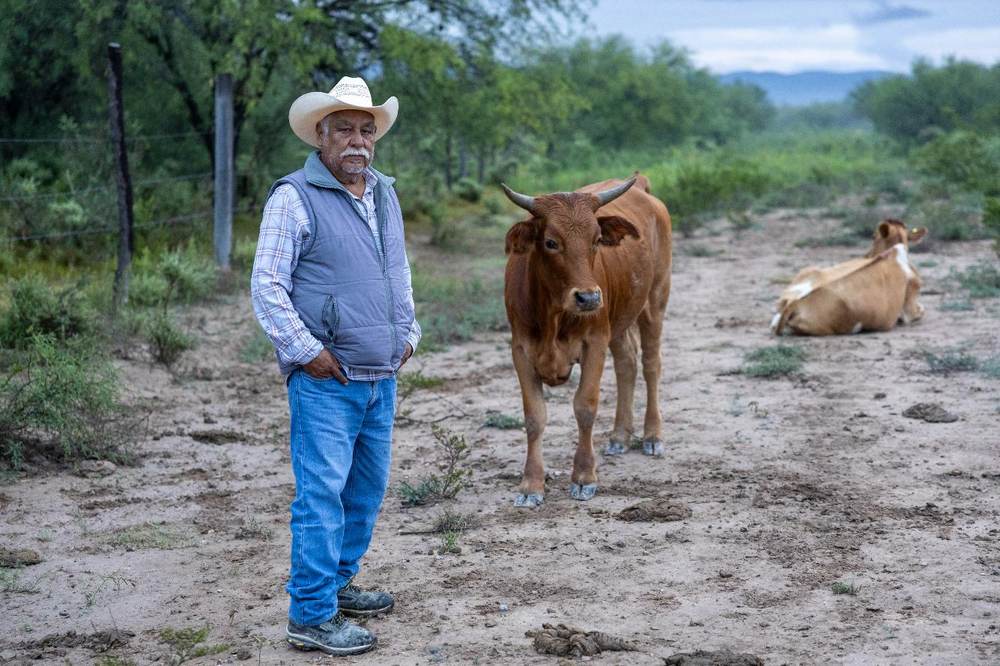
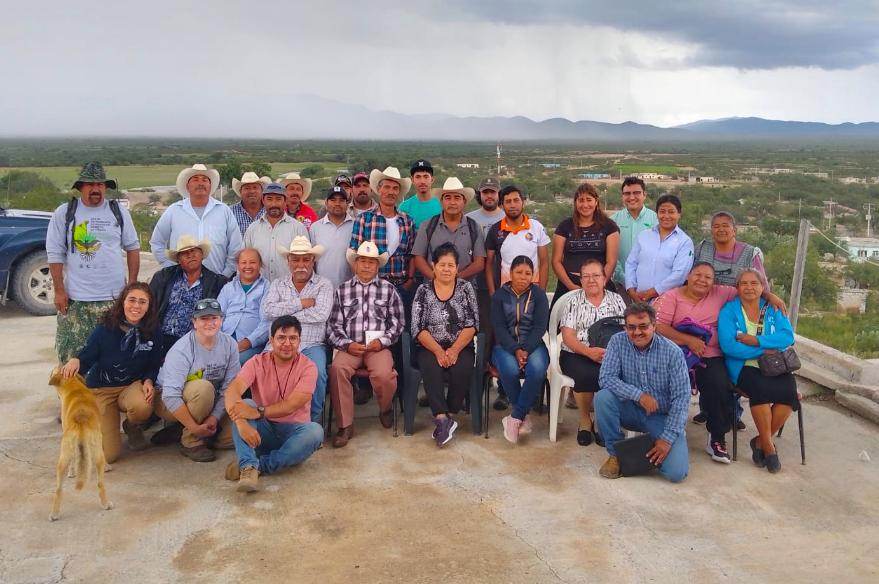
Grupo de Productores La Esperanza, a community livestock cooperative in north-central Mexico, involves 27 farmers and ranchers from 11 communities improving their rangelands while restoring habitat for endangered nectar-feeding bats. Working with Bat Conservation International, the cooperative is now formalizing its business model and building long-term sustainability.
$20K
Full Phase 4 package to formalize the business cooperative & market integration.
$50K
Phase 4 implementation plus critical infrastructure, communications & replication.
Project 7 · REPLICATION
Southern Nuevo León is the next opportunity to build on what is already working in the Sierra La Mojonera. Organized ejido groups managing extensive communal lands are eager to improve livestock practices, restore degraded rangelands, and adapt the proven Mojonera model to their own lands and priorities – building on years of trust created by Bat Conservation International and other conservation partners.
$10–15K
Producer exchanges, site visits & training.
$50K
Exchanges, rapid assessment & conversion to sustainable practices.
$85K
Full replication pathway with cooperative formalization & market integration.